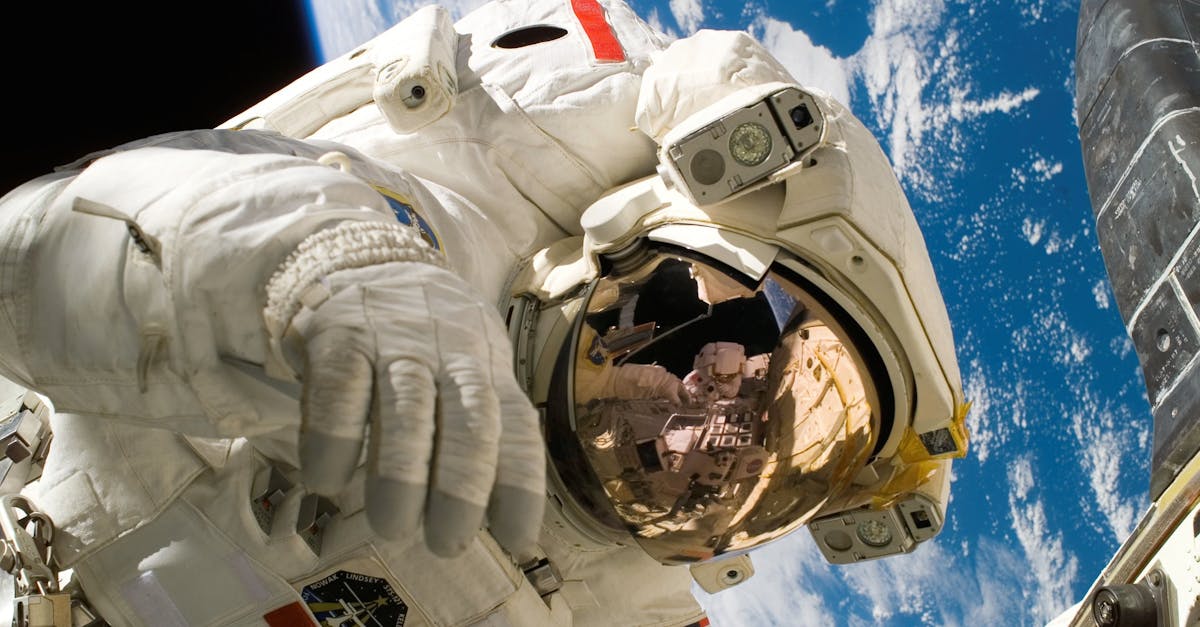

Sometimes what looks like collapse is something else entirely — not weakness, but a body under pressure doing its best to protect itself. In this piece, I offer a grounded look at Amanda Nguyen’s widely publicised emotional shutdown, reframing it not as personal failure, but as a clear sign of nervous system overload. Her journey from Nobel-nominated activist and astronaut to public scrutiny and retreat offers a lens on what happens when the body says “enough,” even amid outward success.
The relevance for trauma professionals is immediate. The piece shows how the nervous system perceives prolonged attention, pressure, and emotional exposure as a threat as real as physical danger. When the system perceives no route to safety, it shuts down. It’s not dysfunction. It’s protection. I attempt to lay this out plainly, without drama or diagnosis, pointing to how collapse can show up as emotional exhaustion, withdrawal, loss of focus, or even numbness, all things many therapists will recognise in their clients and perhaps themselves.
Rather than offering analysis from a distance, the piece connects the dots gently, showing how the aftermath of success can trigger internal systems shaped by earlier trauma or chronic stress. It makes the case for a different kind of compassion, one that doesn’t ask why someone couldn’t keep going, but instead asks what their system was trying to survive. This distinction matters, especially for those supporting others who are experiencing burnout, visibility, or emotional collapse.
The final takeaway? Collapse doesn’t mean brokenness. Sometimes it means the system did exactly what it was designed to do. This piece offers a calm, human space to reflect on that. It’s written for therapists, but speaks just as clearly to anyone trying to understand why high achievers, or anyone, sometimes fall apart.
If this article stirred something in you, you’re welcome to get in touch. If something here speaks to what you’ve been feeling, you can read the full version on my site.
Click the link to read the article 👇
https://rogerhughes.org/2025/12/30/amanda-nguyens-collapse-wasnt-failure-it-was-a-nervous-system-in-freefall/
Email: rhmindcare@protonmail.com
Call (Int’l): +44 1304 799658